by Twenty40 Companies
Share
by Twenty40 Companies
Share
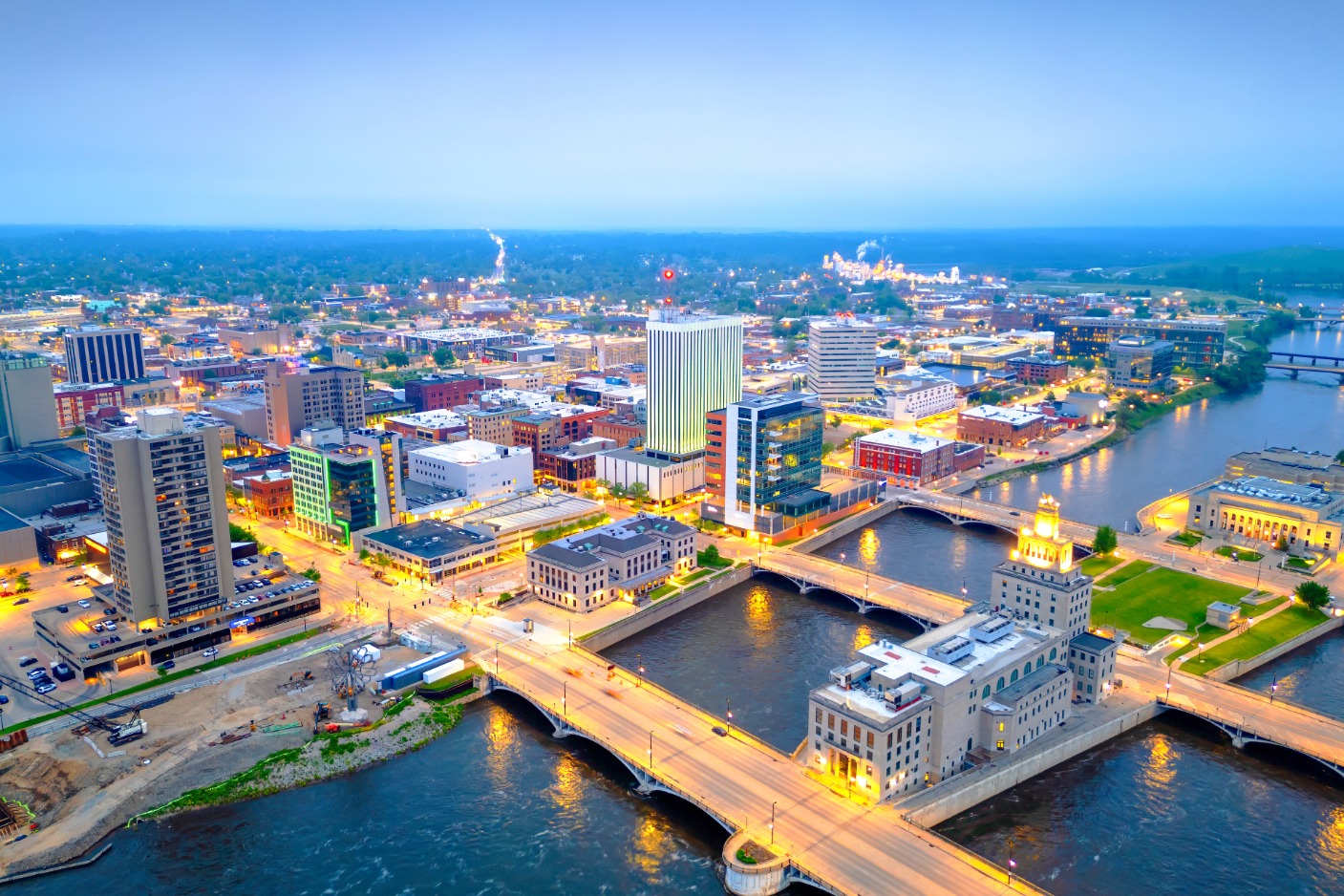
When most people picture Iowa real estate growth, Des Moines gets the headline. And fair enough, the Des Moines metro has earned it, with suburbs like Ankeny, Waukee, and Grimes posting some of the strongest population and building permit numbers in the Midwest over the past several years. But narrowing the lens to one area misses a much bigger picture of what’s emerging here in Iowa.
Take the ICR corridor, which connects Iowa City and Cedar Rapids, for example. Communities such as Marion, Hiawatha, and North Liberty were once thought of as bedroom communities. Now, they’re becoming sought-after neighborhoods with their own amenities: new schools, trail systems, restaurants, and local employers that give residents a reason to stay close to home.
The dynamic currently unfolding in real estate in Iowa has created two distinct opportunities: entry-point affordability for buyers who get in early, and viable demand for builders and developers willing to bring a modern product to an underserved market.
Growth Follows Investment: How New Industry Reshapes Iowa Real Estate Trends
There’s a reliable pattern in real estate that doesn’t get talked about enough: housing demand almost always follows economic investment, and it usually does so on a delay.
Every time we see an announcement of a new manufacturing facility, a logistics hub, a major tech infrastructure project, we know what’s coming next: an outward ripple that affects housing. Construction crews will be coming into town and will need temporary housing. Permanent employees relocate and start looking for homes. Suppliers and supporting businesses set up shop nearby. And suddenly, a ZIP code that felt quiet six months ago has a waitlist at the new apartment complex.
Iowa has been quietly diversifying its economic identity for years. While we will never abandon our agricultural foundation, our beloved state is becoming a bigger player in insurance and financial services, renewable energy, biotech, and now tech infrastructure, including data centers and the support ecosystems they generate.
What most buyers, sellers, and even sometimes builders miss is that the best signals often arrive years before the market catches on. Projects like road expansions, interchange improvements, utility upgrades, and rezoning requests will appear in city planning documents and county commission agendas long before ground is broken or a press release is issued. For anyone willing to do that homework or work with someone who already does, there’s a real chance to get ahead of Iowa real estate trends before the public does.
The Remote Work Factor: How Lifestyle Shifts Are Redrawing the Iowa Housing Market
The pandemic reshuffled where people want to live, and while the initial frenzy has settled, the underlying shift hasn’t reversed. Millennials and older Gen Z buyers are now firmly in prime homebuying years and face location decisions their parents simply didn’t have the flexibility to make. When your job follows your laptop, your location opportunities are almost endless.
For the Iowa housing market, this has been a quiet tailwind. Affordability has always been a draw, but it used to come with the implicit trade-off of limited opportunity. That trade-off is shrinking.
Today’s buyer is looking for remote-work-friendly housing layouts with dedicated office space, flexible rooms, and solid broadband. This means that Iowa’s outer-ring communities and previously overlooked neighborhoods are increasingly able to check those boxes. A buyer who once felt anchored to a specific location due to their community or office location is now open to neighborhoods they would have scrolled past two years ago.
There’s also a product-type shift worth noting, especially for builders and developers. Younger buyers in Iowa aren’t necessarily chasing the largest square footage they can afford. They’re prioritizing low maintenance, energy efficiency, and modern systems.
Townhomes, smaller single-family new construction with efficient floor plans, and build-to-rent communities are all seeing growing interest. Today’s buyers value community, which is putting neighborhoods with parks, trails, and walkable conveniences at the top of their lists.
Spotlight: Why SW Cedar Rapids Is Getting So Much Attention
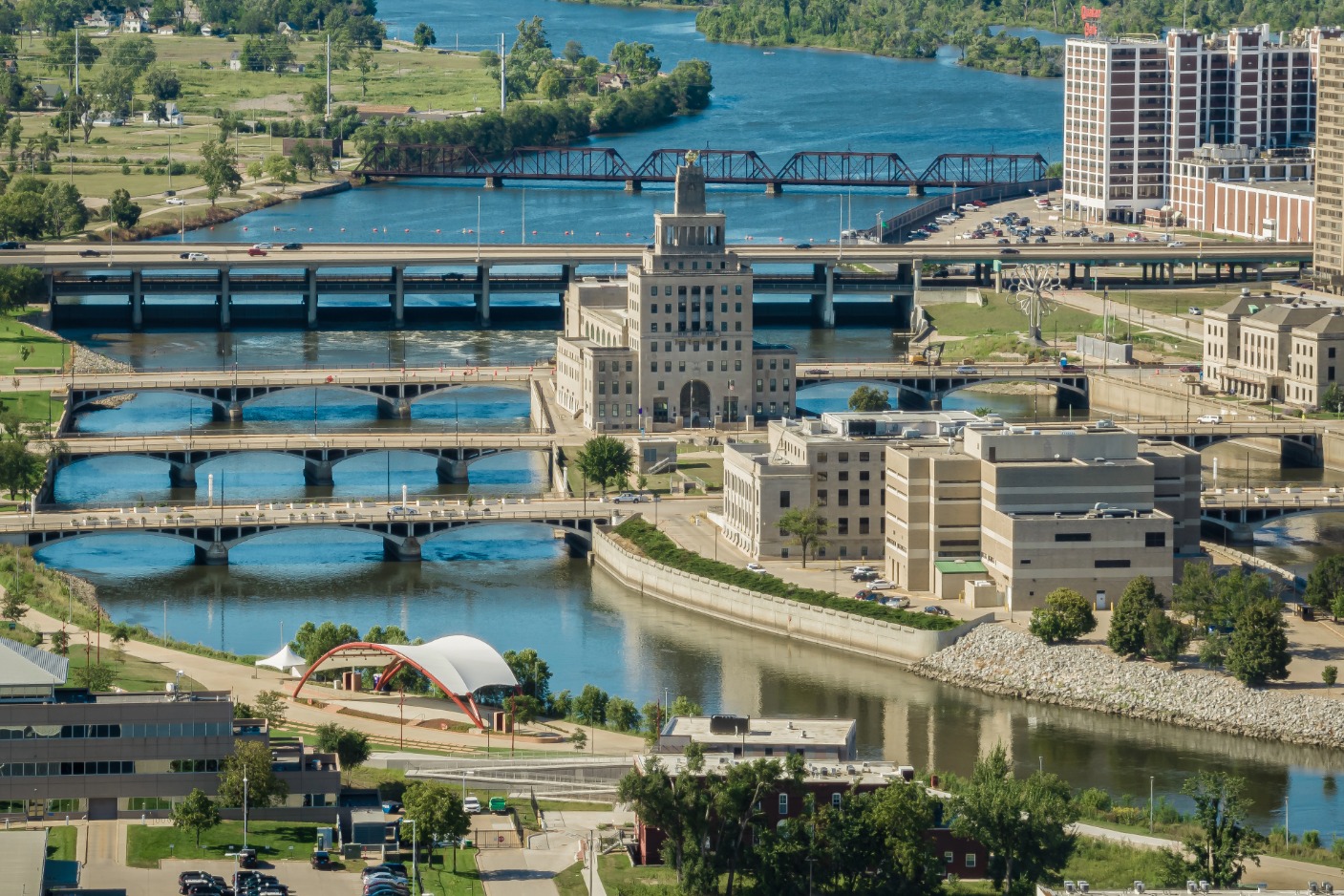
The Southwest Cedar Rapids housing market hasn’t traditionally dominated real estate conversations. That’s changing, and a major new data center project in the area is a major reason.
Without getting into specifics that are still developing, projects of this scale — large land investment, significant infrastructure build-out, a mix of construction and permanent employment — tend to set off a predictable chain of events in surrounding real estate in Iowa. It’s that ripple we talked about earlier.
That ripple also plays a big role in why suddenly neighborhoods that haven’t been on the growth radar before are suddenly becoming the hottest places to live.
It’s not just location that matters. The communities that will see the biggest benefits are those properties in strong school districts, areas with clean road access to the project site, and neighborhoods that can support the everyday services that incoming residents and workers need: groceries, childcare, dining, and healthcare.
It’s the difference between being in the path of progress and being adjacent to it — and that’s exactly the kind of on-the-ground guidance that makes a knowledgeable local partner worth their weight in gold.
Growth With a Conscience: The Sustainability Question Iowa Can’t Ignore
There’s a tension at the center of Iowa’s growth story that deserves an honest conversation. We can’t ignore the data center impact on housing, and the real, tangible benefits it brings, like jobs, investment, infrastructure, and an expanded tax base.
Those impacts matter, but projects of this scale also carry a meaningful environmental footprint. Data centers are significant consumers of energy and water, and the upstream infrastructure they demand can strain local systems in ways communities don’t always fully anticipate when the ribbon is cut.
This isn’t an argument against growth. It’s an argument for growth done right.
Iowa has been known as an agricultural and community-rooted state. When growth is planned correctly, that traditional identity doesn’t have to come into conflict with development.
However, it does require that developers, planners, and real estate professionals ask harder questions than “where is the demand?” The questions that matter most over the long run are:
- What gets built?
How is it built?
Who benefits?
Who bears the cost?
At Twenty40 Real Estate & Development, we know we don’t exist in a vacuum, and we never want this tension to feel like a footwork to our work. Instead, study Iowa real estate trends as part of the framework.
That’s why we always look at responsible planning, resilient building practices, and genuine attention to long-term land stewardship as both good ethics and a good strategy. Communities that grow thoughtfully tend to retain their value, attract higher-quality residents and employers, and avoid the boom-and-bust cycles that leave neighborhoods worse off than before growth arrived. When we think ahead like this, we can build a future for Iowa that isn’t just busy but is also sustainable.
What This Means for Buyers, Sellers, and Builders Right Now
Understanding all of this context is useful, but what does it actually mean for the decision you’re sitting with right now?
- For buyers, the most important reframe is this: stop evaluating neighborhoods only by what they are today, and start evaluating them by what they’re likely to be in five to ten years. Emerging areas like SW Cedar Rapids and other growth-corridor communities in the Iowa housing market may not look dramatically different on the surface yet, but the signals are already in motion. Getting in before a neighborhood is widely recognized as a “hot” market is how buyers build equity, not just occupancy.
- For sellers near growth areas, the opportunity is in positioning and timing. Relocating buyers and investors are increasingly paying attention to Iowa markets they might have ignored a few years ago, and proximity to job centers, strong schools, and lifestyle amenities is becoming a more compelling part of the marketing story. Understanding how your property will be affected and how to communicate its value can meaningfully affect both your timeline and your outcome.
- For builders and small developers, the play is in reading the map early. Land acquisition along the edges of growth corridors, infill projects that bring modern product types into established but underbuilt neighborhoods, and build-to-rent or small multi-family near employment hubs and transit routes are all areas where patient, informed developers can still find favorable entry points. The window for “early mover” positioning in places like the SW Cedar Rapids housing market is open, but it won’t stay open indefinitely, so start planning now.
How to Spot the Next SW Cedar Rapids
The SW Cedar Rapids housing market isn’t the only area that will likely see a massive expansion in the next few years. So, how do you spot the next emerging market in Iowa?
The good news is that they don’t appear out of nowhere. There are signs. You just have to know where to look. Here’s a simple framework for spotting Iowa’s next growth pockets before they become obvious:
- New employer announcements: Major plants, corporate offices, data centers, or logistics facilities signal an increase in worker demand.
- Road and interchange upgrades: Publicly funded infrastructure improvements are often the clearest indicators of planned growth. Prime examples of this are all the 1380 corridor real estate projects currently happening.
- School expansions or new school construction: School districts don’t build ahead of demand. They have to build after it happens, so new schools mean a growing population.
- A noticeable uptick in building permits and rezoning requests: These are public records, and a sudden cluster of activity in a given area tells a story that the smartest planners know how to read.
- City planning documents, county commission agendas, and economic development authority announcements: All publicly available and often ignored, they reveal that the biggest opportunities often live in neighborhoods that feel “in-between” right now: not fully built out, but no longer raw farmland. That edge space is where early movers can still lock in favorable pricing and, in some cases, have a hand in shaping what gets built.
Twenty40 Real Estate & Development already tracks these signals across Cedar Rapids, the I-380 corridor, and beyond. It isn’t a coincidence that we do this. It’s a key part of our growth strategy.
Key Takeaways About Iowa’s Growing Real Estate Market
- Iowa real estate is shifting from “slow and steady” to a market with distinct emerging hot spots. What’s happening in Southwest Cedar Rapids real estate is one of the clearest examples right now.
- Emerging markets in Iowa aren’t limited to Des Moines. The ICR corridor and smaller towns near major employers and infrastructure are showing real movement.
- Large-scale economic investments, like data centers, reliably ripple into housing demand, but the benefits concentrate in specific, well-positioned areas.
- Remote-friendly buyers are expanding the areas they’re willing to look in, creating opportunity in neighborhoods that were previously overlooked.
- Younger buyers increasingly prioritize energy efficiency and low maintenance over square footage. This is a shift that builders and rehabbers should be factoring into product decisions
- Growth that isn’t planned responsibly carries real environmental and community costs.
- The best opportunities in Iowa real estate right now are found by reading the signals early, not waiting for them to be announced.
Ready to Get Ahead of Iowa’s Market?
Want to get ahead of where Iowa’s market is going, not just where it’s been? Schedule a consultation with Twenty40 Real Estate & Development to map out your next move — whether you’re buying, selling, or planning your next project in Iowa.
STAY IN THE LOOP
Subscribe to our free newsletter.
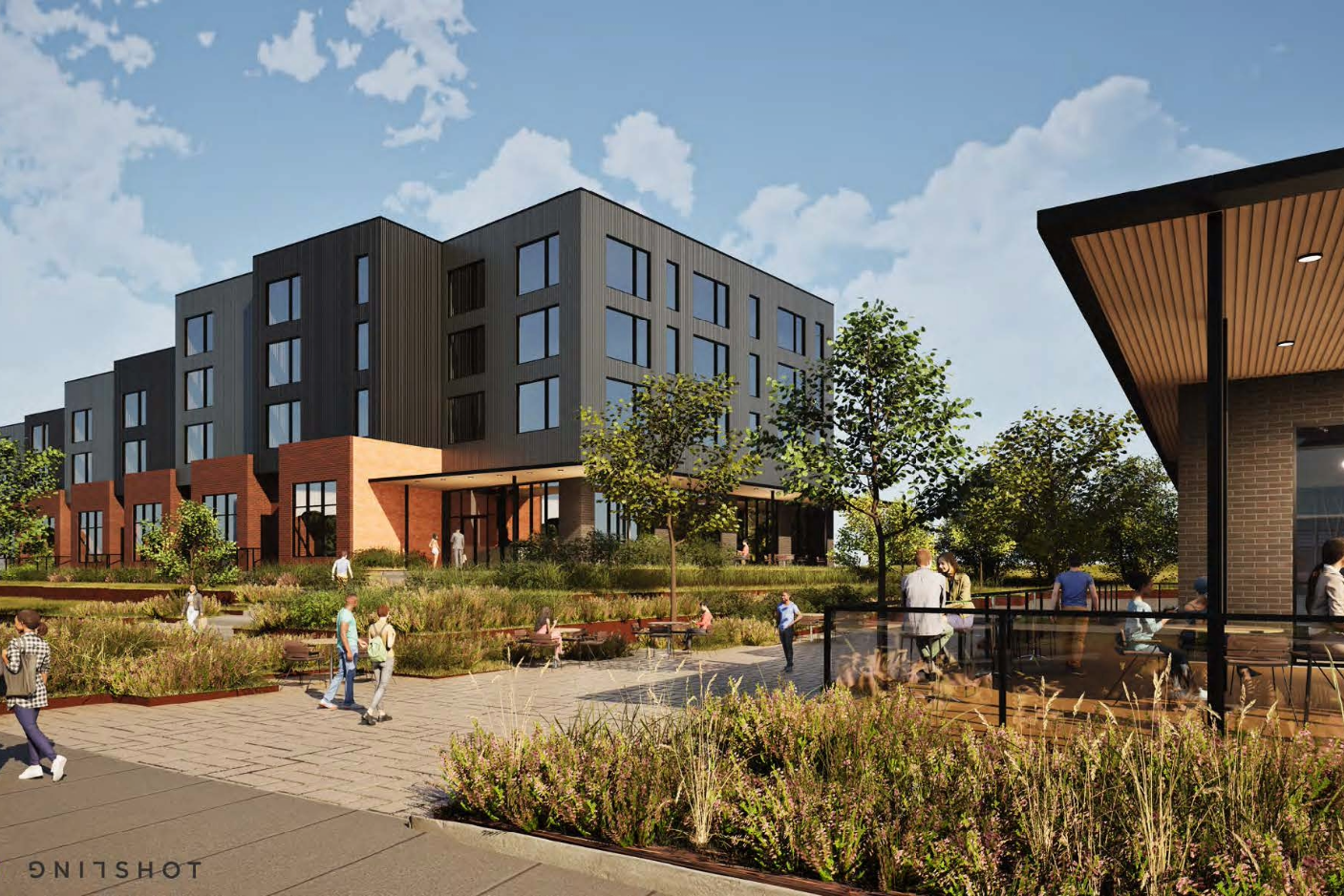
A new riverfront district is reconnecting two beloved Cedar Rapids neighborhoods: NewBo and Czech Village. Get to know East Bend & 2nd, Cedar Rapids' newest development that is designed to honor the Sinclair legacy while ushering in the new chapter of life along the Cedar River.
Mortgage rates ticked up, inventory stayed tight, and Cedar Rapids' data center boom kept rental demand red-hot this summer. Here's what buyers, renters, and investors need to know about heading into the Eastern Iowa real estate market in Q4 2026.
Iowa weather is no joke. Learn how Twenty40 Companies builds custom homes in Cedar Rapids that go beyond code with impact-resistant roofing, energy-efficient design, and storm-ready systems built for the Midwest.
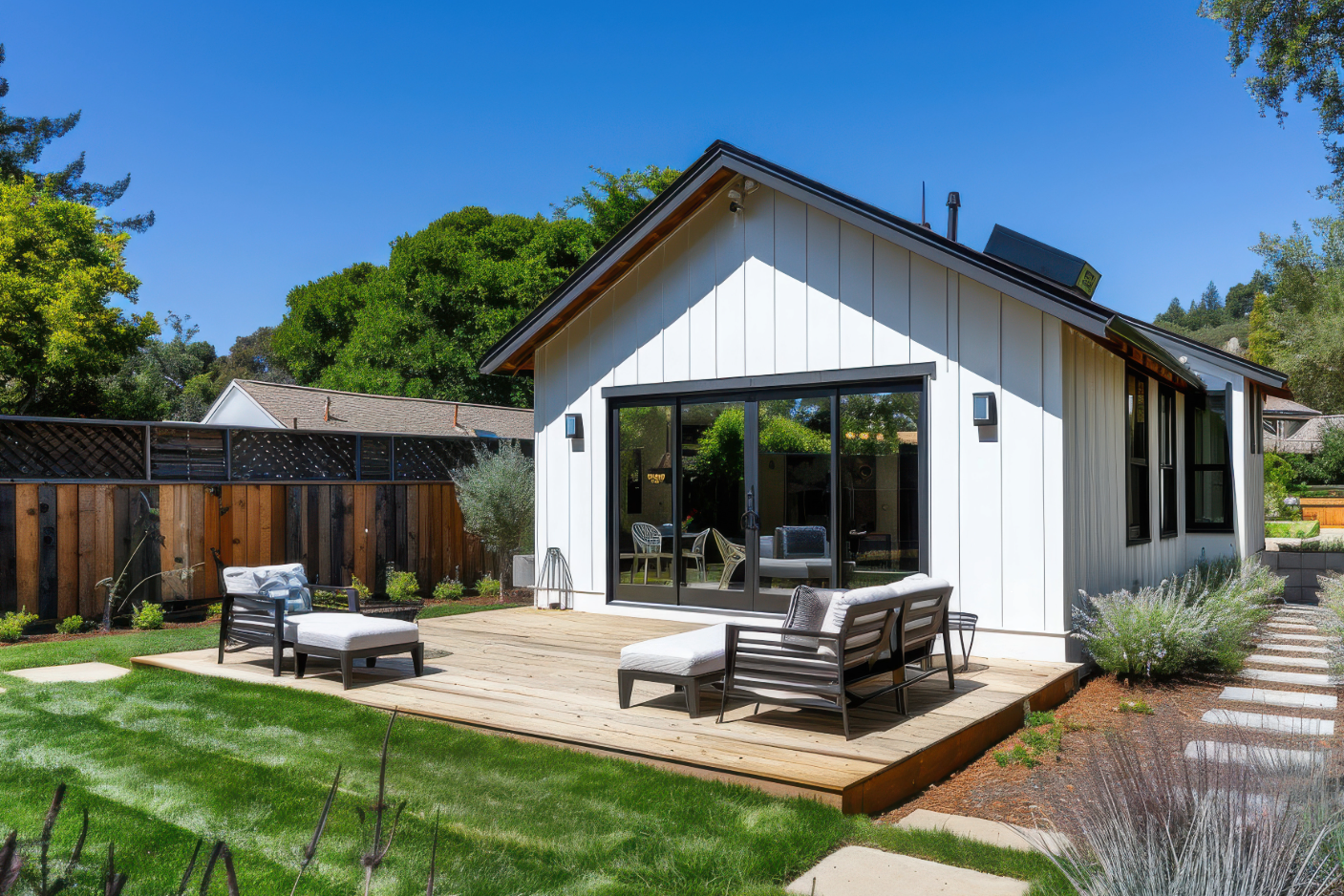
Discover how Accessory Dwelling Units (ADUs) offer flexible housing solutions for Eastern Iowa families. Learn about ADU types, city-by-city zoning in Cedar Rapids, Marion, and surrounding communities, and how Twenty40 can guide you from planning to occupancy.