
by Twenty40 Companies
Share
by Twenty40 Companies
Share
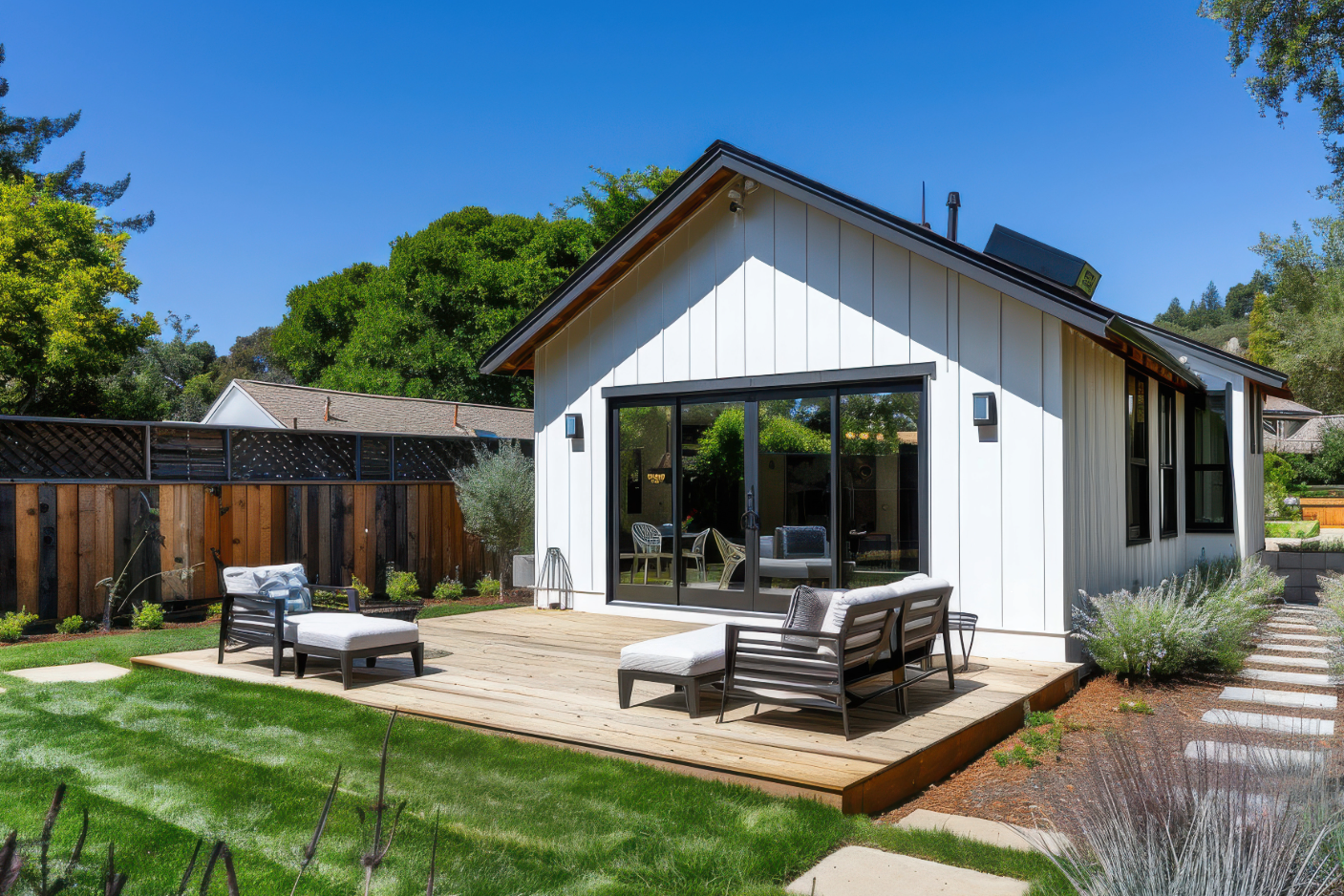
Have you heard of ADUs? Many Eastern Iowa homeowners are discovering that Accessory Dwelling Units, or ADUs, are a fantastic way to create positive home environments that support generational living and add resilient value to their properties.
While these types of dwellings have long been associated with coastal cities, Iowa is starting to embrace them in the typical Midwest-friendly way, prioritizing practicality, long-term planning, and community growth.
In our own work here at Twenty40, we’ve been helping Cedar Rapids, Marion, Hiawatha, Robins, and surrounding communities think about ADUs not as trends but as thoughtful, design-forward solutions that fit real family needs.
What is an Accessory Dwelling Unit (ADU)?
An ADU is a secondary housing unit located on the same lot as a primary residence. It can be attached or detached and is designed to function as an independent living space with its own entrance, kitchen, and bathroom. In Iowa, common ADU types you’ll see locally include:
- Basement apartments
- Above-garage suites
- Garage conversions
- Limited backyard cottages
Why ADUs Make Sense for Housing in Iowa
There are several real-life housing challenges facing Iowa families. ADUs can help address a few of them by allowing you to plan for changing needs without moving, while protecting your long-term investment in your property.
Often designed as practical extensions of a home rather than a radical density shift, they are perfect for multi-generational living. ADUs solve housing issues by:
- Providing aging parents with their own private, accessible space with shared meals and hands-on support as needed.
- Encouraging adult children to return home when necessary, but still providing separate spaces to allow for autonomy
- Creating dedicated living spaces for grandparents, caregivers, or long-term guests that maintain privacy and independence for everyone in the household
- Generating additional income through short- and long-term rental opportunities
- Increasing home equity and property values
- Supporting flexible housing solutions for large and growing families, without requiring a messy or expensive move
Navigating Iowa Zoning Regulations for ADUs
Zoning rules for ADUs can vary widely by city and by neighborhood, so understanding local policies is essential before you begin design or construction. In Iowa, a combination of state adaptability and city-specific rules shapes what’s possible.
Recent statewide legislation has broadened ADU feasibility in many communities, but exact details, such as size, occupancy rate, and parking requirements, are determined at the city level.
Here are the common Iowa zoning rules and regulations for ADUs:
- Cedar Rapids: ADU approvals in Cedar Rapids are evaluated on a case-by-case basis, depending on the zoning district, lot size, and parking availability. Basement and internal ADUs are more commonly approved than detached backyard units.
- Marion: Marion, Iowa, allows certain accessory living arrangements as long as they comply with owner-occupancy requirements, size limits, and neighborhood compatibility.
- Hiawatha & Robins: These areas tend to be more restrictive, often favoring internal conversions such as converted basements or other attached spaces. Detached ADUs may require variances or may not be permitted in some neighborhoods.
Even when city zoning allows ADUs, homeowner associations may prohibit them or impose additional rules. Before starting your project, it’s important to verify your HOA requirements.
Navigating the complexities of HOAs and other local regulations can be incredibly challenging and frustrating. Working with a professional, like the team at Twenty40, can help you properly plan to avoid surprises and ensure your plan clears all regulations, while keeping design and construction practical.
Housing in Iowa Spotlight: Build Your ADU Future at Dows Farm
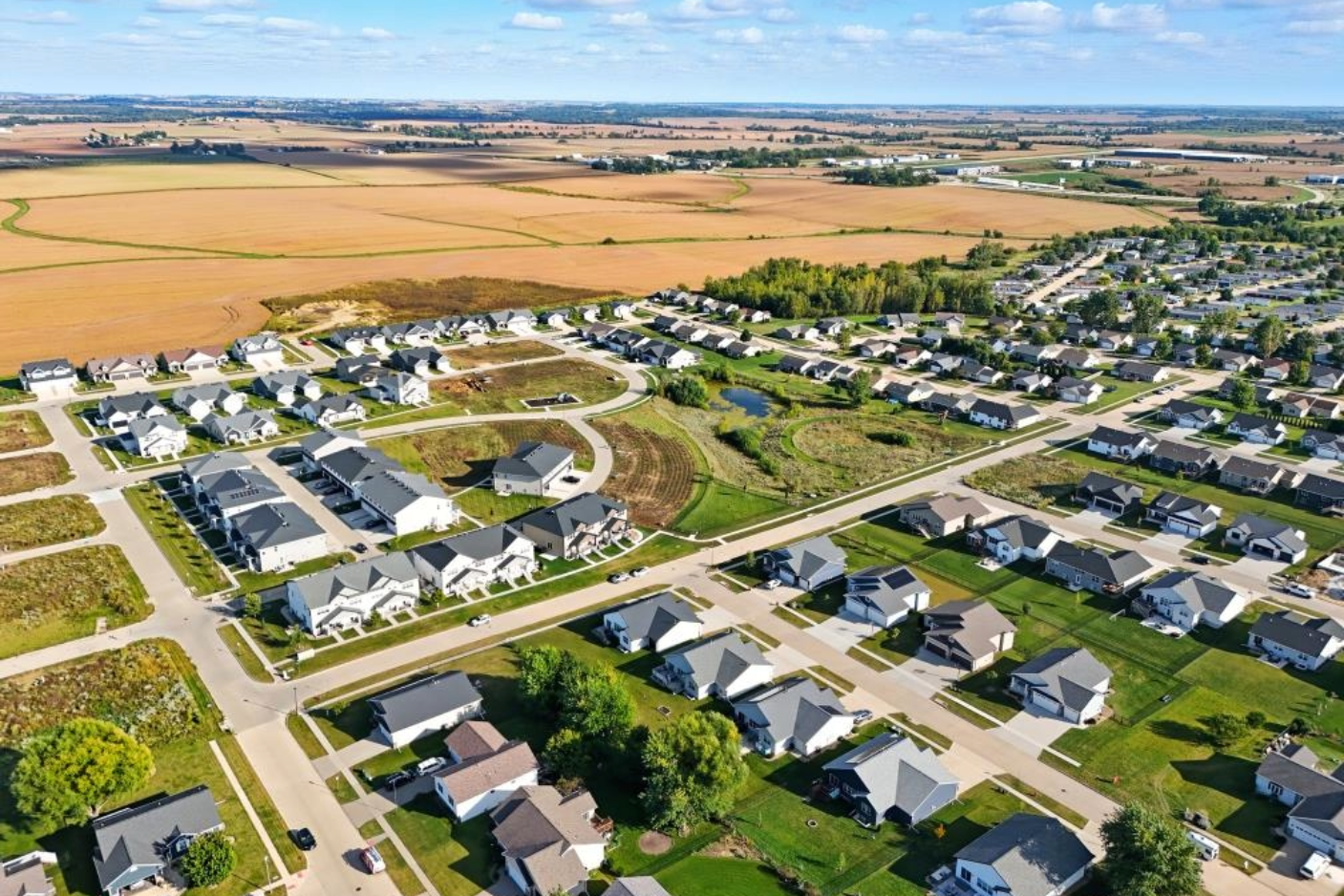
Dows Farm in Cedar Rapids, Iowa, is a prime example of strategic, long-term thinking in housing. In this specially designed neighborhood, you can build your primary home with an ADU planned from day one.
This allows you to avoid the red tape of adding one later, while also offering financing benefits such as a streamlined budget, a single mortgage, favorable terms, and options to reduce upfront costs. A 10-year tax abatement on improvements provides real breathing room while you settle in and start building equity or collecting rental income.
Beyond making financial sense, Dows Farm also makes sense from a sustainability and community standpoint. This intentional agri-community has trails, gardens, orchards, and open space designed around how people live, not just how many rooftops fit on a map. It’s housing with a long-term plan in a community that looks and feels thoughtfully designed.
Planning Your ADU: Key Steps Before Construction
A successful ADU project starts with thoughtful planning rather than quick execution. Here are practical steps to get you from idea to occupancy while respecting local zoning rules for ADUs and meeting your family’s needs.
- Verify zoning and HOA restrictions early: Check with Cedar Rapids, Marion, or your local city planning department, and review HOA covenants if applicable. This upfront step prevents redesigns and delays later.
- Define the intended use and occupancy: Clarify whether the ADU will serve aging parents, adult children, long-term guests, or rental income. This helps determine size, layout, accessibility features, and parking considerations.
- Align design with neighborhood character: Prioritize curb appeal and continuity with the existing home and streetscape to improve approval odds and community acceptance.
- Plan utilities and parking: Ensure efficient utility connections and consider parking solutions that satisfy city requirements and HOA conditions.
- Collaborate with a local design-build partner: A local expert can translate goals into a compliant, durable design that anticipates maintenance needs and long-term value.
Explore Your Accessory Dwelling Unit Options with Twenty40
Whether you want to expand your options for multi-generational living or add rental income, Twenty40 is here to help you explore all of your ADU options. We can help you navigate tricky Iowa zoning rules and regulations to design something beautiful, functional, and simply incredible.
STAY IN THE LOOP
Subscribe to our free newsletter.
The Pros and Cons of purchasing a home on contract