by Twenty40 Companies
Share
by Twenty40 Companies
Share
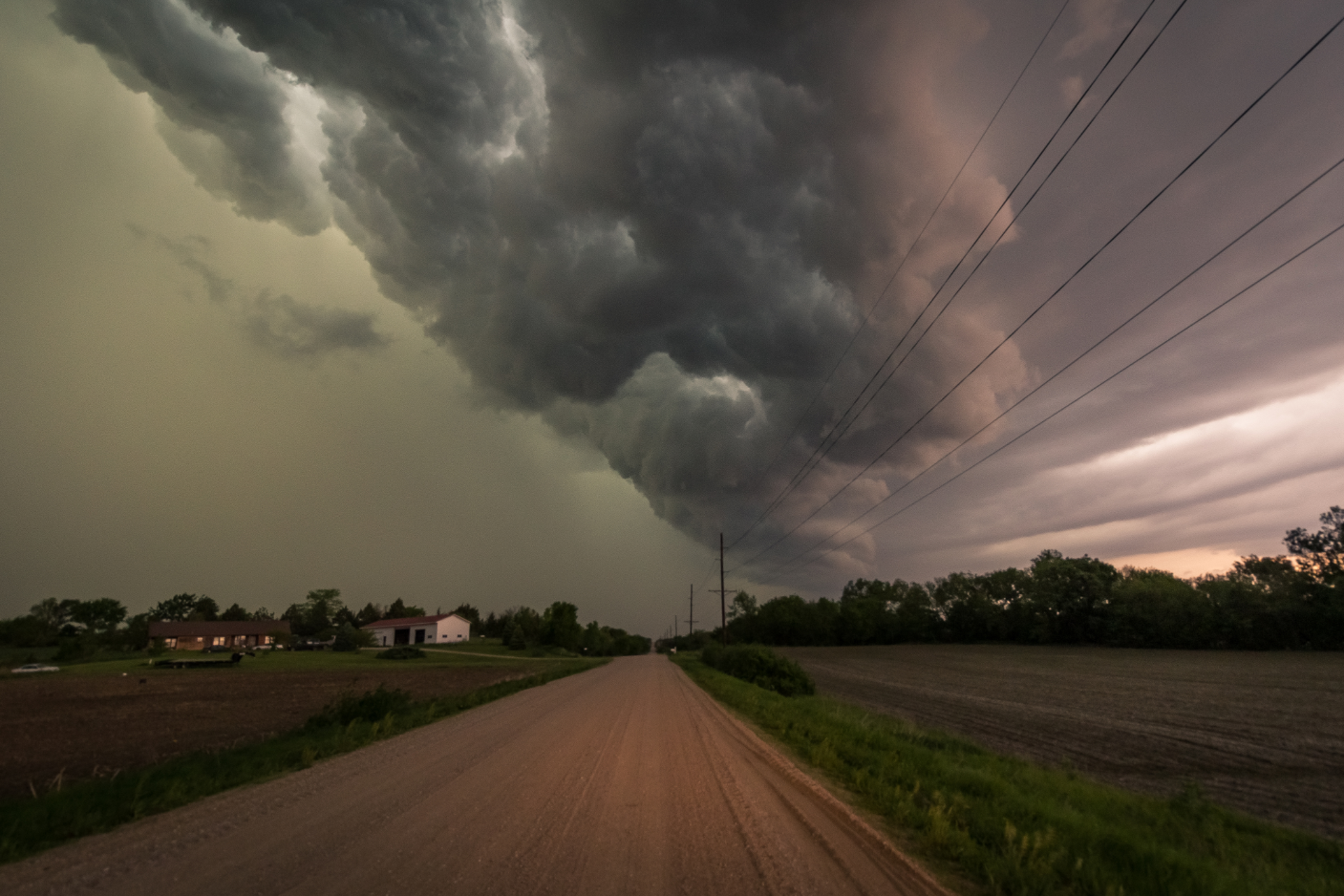
Iowa weather can certainly give you a run for your money! Between the hailstorms that seem to pop up every spring, the summer heat that tests every HVAC system, and the winter cold that reminds you exactly how drafty a code-minimum home can be, building a house in the Midwest requires serious knowledge of our unique weather patterns.
If you’re planning to build a custom home in Cedar Rapids or anywhere along the Iowa Corridor, the smartest investment you can make isn’t a fancier kitchen. It’s a home that’s built to handle whatever Iowa’s climate throws at it for the next 30 years.
The good news? It is possible to build climate-resistant homes in Iowa and stay within your budget. With the right planning, builder, and design decisions, you can have a home that is energy-efficient, storm-ready, durable, and genuinely comfortable in every season.
Iowa’s Climate Is Not Playing Around
Whether you’ve lived here for years or you’re new to the area, you learn that Eastern Iowa weather can get adverse, pretty quickly. We regularly face severe thunderstorms, significant hail, damaging winds, and seasonal temperature swings that can span more than 100 degrees.
And the trend lines aren’t softening. The U.S. Global Change Research Program’s latest Midwest Climate Summary shows that average temperatures in the Upper Midwest are increasing, and rainfall events are becoming heavier and more concentrated. This change in the weather is putting additional stress on building envelopes, drainage systems, and mechanical infrastructure.
In short, the homes being built in Cedar Rapids today need to be designed for a climate that will be more demanding in ten years than it is right now.
Building Beyond Code: Why Minimum Isn’t Enough
Here’s something most production builders won’t tell you: the International Residential Code (IRC)
Building codes are designed to establish minimum safety requirements. They are the bare minimum and are not optimized for energy efficiency, long-term durability, or resilience under extreme conditions. Passing a code inspection means your home won’t fall down. It doesn’t mean it will perform well in intense weather.
The gap between code minimum and high-performance construction is significant for climate-resistant homes in Iowa. It’s something that shows up in your energy bills, your comfort, and your maintenance costs every single year.
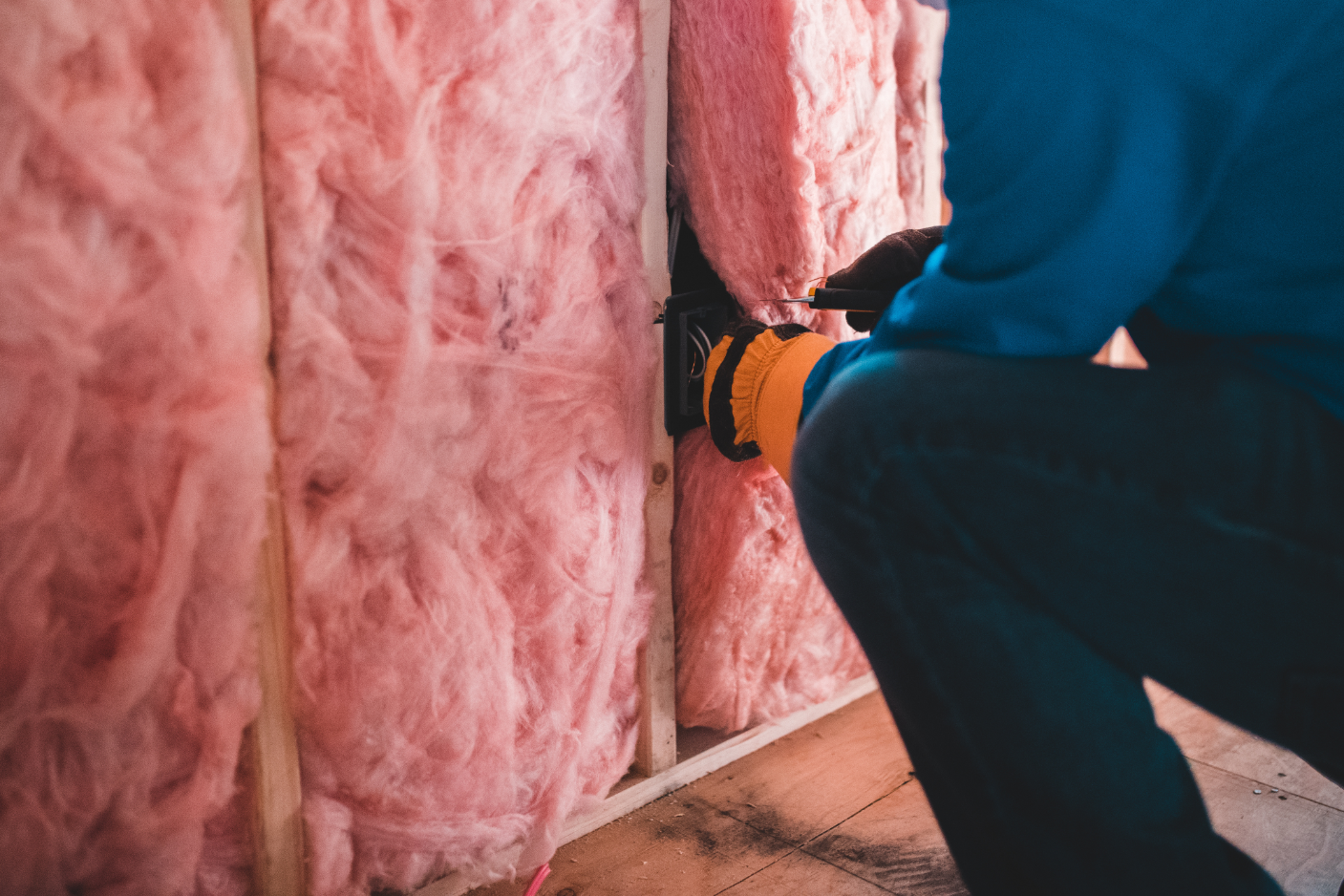
One of the most impactful upgrades is insulation. The U.S. Department of Energy’s guidance on insulation and R-values makes clear that higher-than-code R-values directly reduce winter heating losses and summer cooling demand. When it comes to Iowa’s climate extremes, hard-working insulation can make all the difference. That means less strain on your HVAC system, lower utility bills, and a more consistently comfortable home.
With Twenty40 Companies’ custom homes, building beyond minimum code is never a premium package. It’s simply our standard.
Smarter Envelopes and Solar Control Design
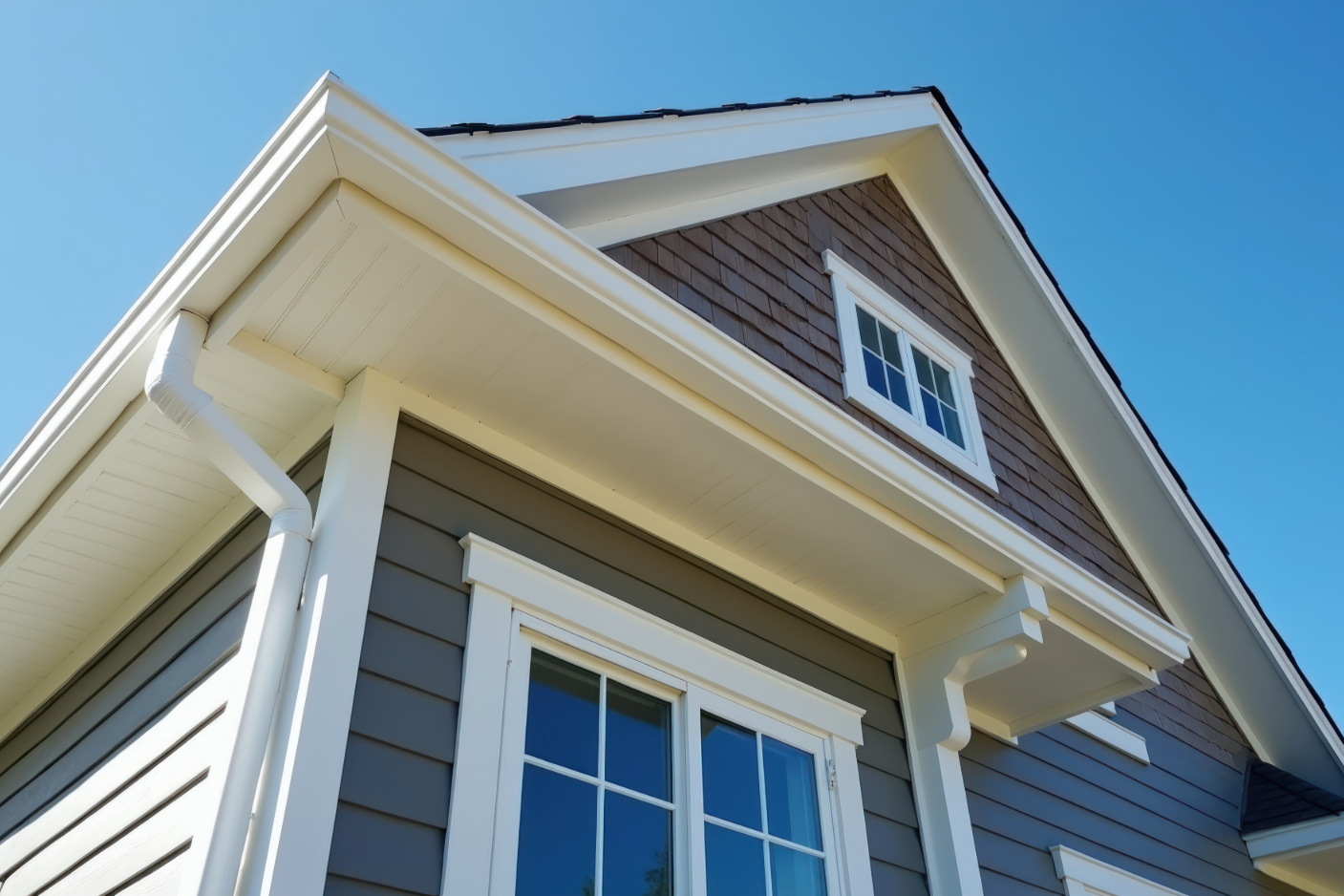
A home’s walls, roof, windows, and foundation are its building envelope. It’s also the first line of defense against Iowa’s climate extremes. And it’s where smart design decisions have the greatest compounding return over the life of a home.
Windows are often underestimated in the conversation about Midwest weather‑ready homes. High-performance windows with low solar heat gain coefficients (SHGC) help manage summer heat without sacrificing natural light or passive warmth in winter.
When choosing your windows, be sure to review ENERGY STAR’s window performance standards, so you know exactly what to look for. It’s more important than you might think. The difference between a standard window and a high-performance one adds up quickly over years of hot Iowa summers.
Passive solar shading is another often-overlooked design strategy. Using deeper overhangs on south and west elevations will provide meaningful protection from the summer sun. This reduces cooling loads without any mechanical systems involved at all. It’s a low-cost design decision during the planning phase that pays dividends every summer for the life of the home.
Continuous exterior insulation is equally valuable. It reduces thermal bridging, a hidden but significant source of energy loss in cold-weather climates. One of the primary culprits here? Underperforming building envelopes.
Impact-Resistant Roofing in Iowa: No Longer a Luxury
Let’s talk about hail, because in Iowa, we absolutely must. Iowa consistently ranks among the top states in the country for hail events.
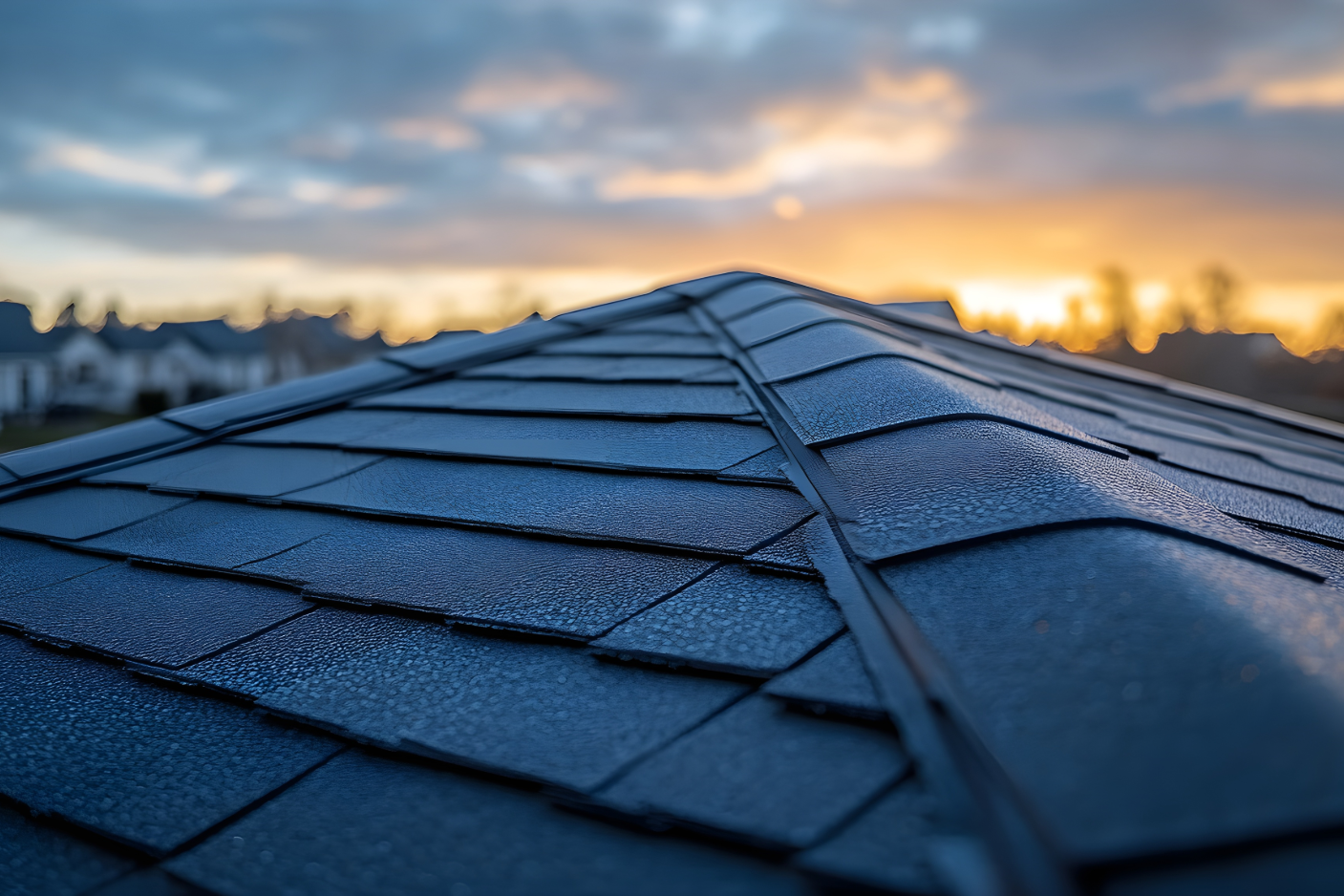
The Insurance Institute for Business & Home Safety (IBHS) has documented the substantial damage hail can cause to standard roofing materials. If you’re building a new home in Cedar Rapids or the surrounding region, installing impact-resistant roofing from the start is a practical and financially sound decision.
Beyond the direct physical protection, many insurance providers offer premium discounts for impact-resistant roofing. This means the upgrade can pay for itself faster than you might expect. When you’re building a custom home with a long-term horizon, impact-resistant roofing Iowa homeowners can rely on is one of the clearest value-adds available in the planning process.
That’s why we always look at responsible planning, resilient building practices, and genuine attention to long-term land stewardship as both good ethics and a good strategy. Communities that grow thoughtfully tend to retain their value, attract higher-quality residents and employers, and avoid the boom-and-bust cycles that leave neighborhoods worse off than before growth arrived. When we think ahead like this, we can build a future for Iowa that isn’t just busy but is also sustainable.
HVAC Systems Built for Iowa Extremes
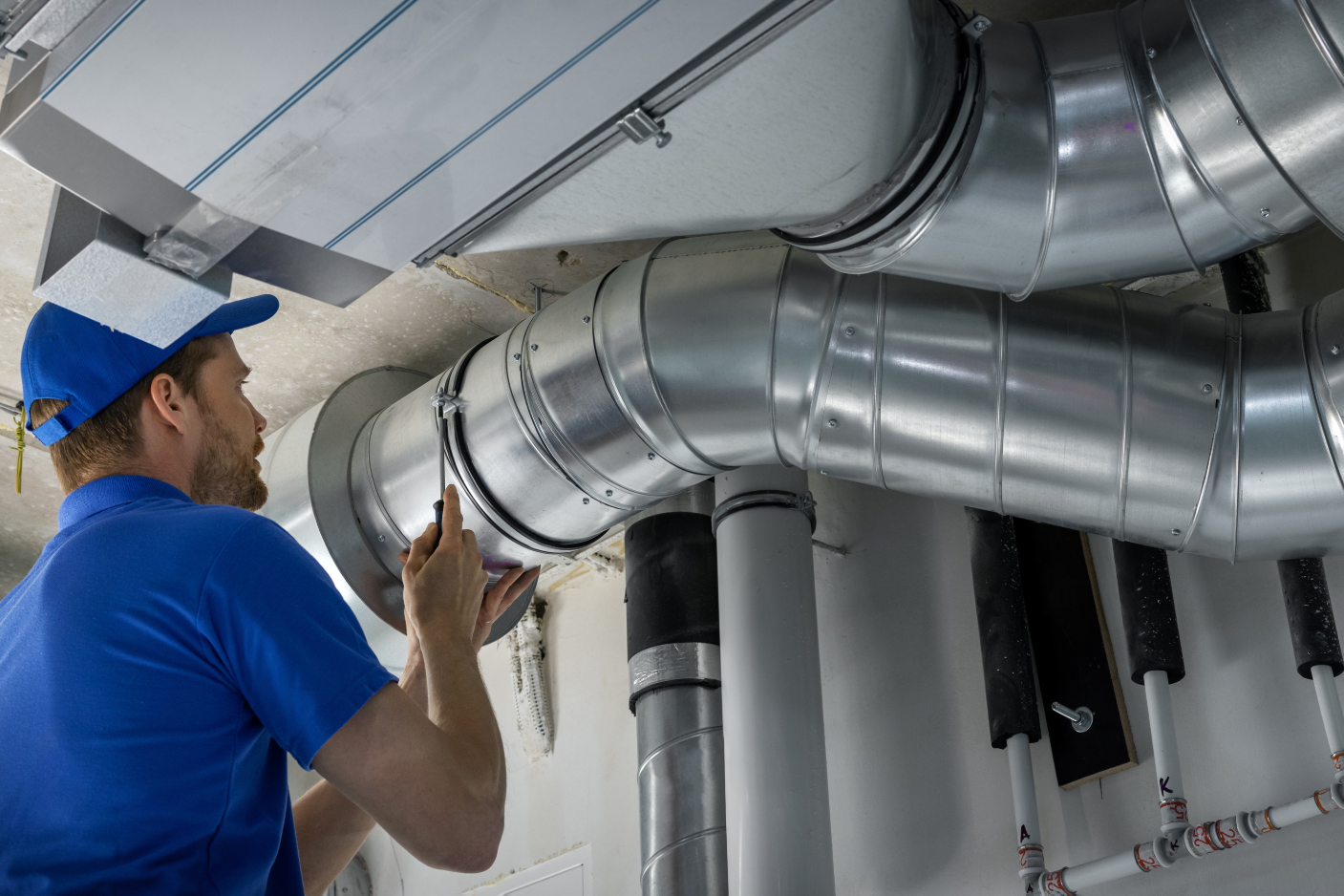
An energy-efficient home design in Iowa is only as good as its mechanical systems. You can have the best insulation money can buy, but if your HVAC is undersized, oversized, or poorly designed for Iowa’s temperature range, you’re going to feel it in your comfort level and on your utility bill.
High-efficiency systems perform more reliably during temperature extremes while significantly reducing long-term operating costs over the life of the equipment. But equipment selection is only part of the equation.
The U.S. Department of Energy’s HVAC design resources point out that proper system sizing and thorough air sealing are equally critical. An oversized system will short-cycle, leading to humidity problems and inconsistent comfort in the variable Midwest conditions.
For Iowa Corridor homebuilders who are serious about long-term performance, right-sized mechanical systems and a well-sealed building envelope aren’t separate conversations. They’re part of the same integrated design approach that defines truly high-performance custom homes.
Smart Extras That Make a Real Difference
Beyond the big-ticket building systems, there are a handful of thoughtful planning decisions that separate a truly climate-ready custom home from one that just looks good on paper.
Backup generators are becoming increasingly common in storm-prone areas, and for good reason. As FEMA’s power outage preparedness guide explains, extended outages are not rare events in Iowa, and having a home pre-wired for generator connection means you’ll always be ready for the weather that comes your way. The long-term benefits of having a backup generator include a modest upfront investment, especially if you plan to stay in your home long-term.
Permeable hardscapes are another smart addition that often gets overlooked at the design stage. As rainfall events become heavier and more concentrated across the Upper Midwest, managing stormwater runoff becomes increasingly important for foundation health and drainage.
Not only do they often improve the curb appeal of your home, but they also serve as an effective tool for reducing runoff pressure on foundations and local drainage systems. When you integrate them into your site plan early, they become cost-effective, functional tools that help keep your home nice and dry.
The Long-Term Value of Building Climate-Ready
Still on the fence? What if we told you that climate-resistant homes are increasingly recognized for their long-term resale value?
According to the National Association of REALTORS®’ Sustainability research, 58% of agents and brokers report that their clients are interested in sustainability and energy efficiency features.
That interest only continues to grow from year to year. Homes built for durability, energy efficiency, and weather resilience will continue to command stronger resale appeal as buyer awareness increases.
Beyond resale, the day-to-day math simply works. Some of the most popular benefits of investing in energy efficient home design in Iowa include:
- Lower utility bills
- Fewer emergency repairs
- Reduced insurance costs from impact-resistant materials
- Consistent indoor comfort
For families who plan to put down roots in Cedar Rapids or Eastern Iowa for the long haul, the investment in an energy efficient home design in Iowa is one of the most financially responsible purchases they could make.
To put it bluntly, the foundation you build on determines everything that follows. As a Cedar Rapids custom home builder, we look at our projects through that lens: Build the foundation right, and the rest of the home rewards you for decades.
Twenty40 Companies Custom Homes: Building Homes to Weather the Storm
If you’re planning a custom home in Eastern or Central Iowa and you want it designed to handle Iowa’s climate with confidence and not crossed fingers, let’s talk.
Contact our team today to start the conversation about your climate-ready custom home. It doesn’t matter if you’re in the early stages of planning or ready to break ground. We’re here to help you build something that lasts through every Iowa storm season to come.
STAY IN THE LOOP
Subscribe to our free newsletter.
Mortgage rates ticked up, inventory stayed tight, and Cedar Rapids' data center boom kept rental demand red-hot this summer. Here's what buyers, renters, and investors need to know about heading into the Eastern Iowa real estate market in Q4 2026.
Twenty40 Companies is reshaping what an Iowa neighborhood can be! Discover how native prairie plantings at Dows Farm Agri-Community reduce erosion, improve water quality, and create a thriving pollinator corridor while making this neighborhood a sought-after community center.
Gen Z home buyers are changing the Iowa real estate market. Discover key trends, why Cedar Rapids is attracting first-time buyers, and how Twenty40 Companies can guide your home-buying journey.
Iowa real estate is shifting, and SW Cedar Rapids is at the center of it. Discover emerging markets, the impact of a new data center, and how buyers, sellers, and builders can get ahead of Iowa's next growth wave.